
The AD PRO LED network now runs to 58 sites across ten cities
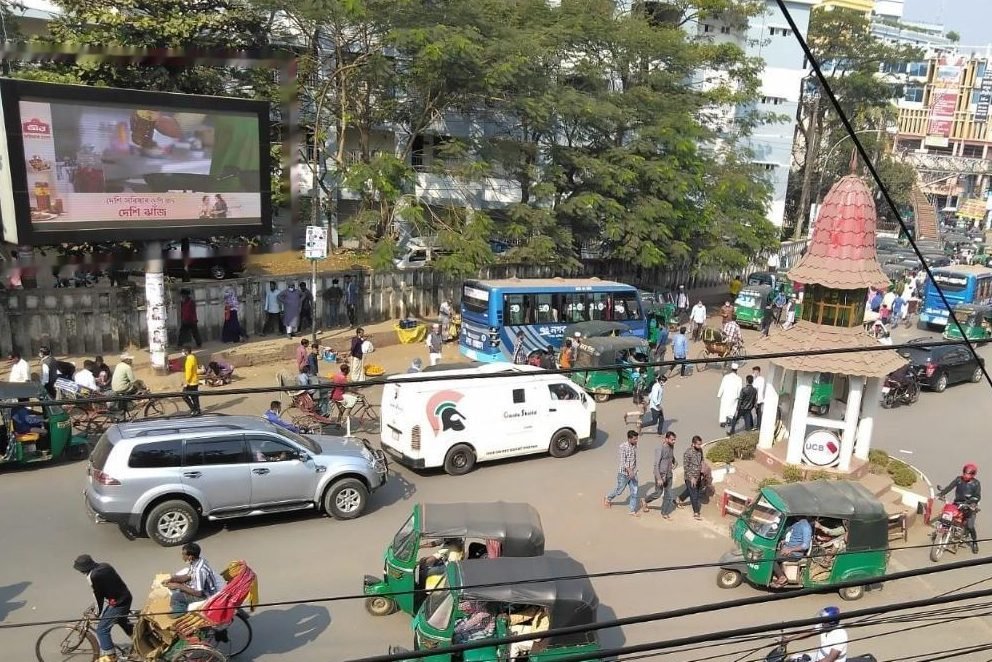
Every screen we operate is now listed publicly, with its size, the direction it faces, the hours it runs and a photograph taken from the road. Here is what the network looks like.
5 min read Network news
Out-of-home in this country has a transparency problem, and we have contributed to it as much as anyone. Inventory tends to be described rather than shown — "premium locations", "high-traffic junctions" — and you find out what you actually bought when the photographs arrive.
So we have published the lot.
What is now public
All 58 LED sites, each on its own page, each carrying:
- A photograph of the site taken from the road, cropped so the screen is the subject
- The screen size in feet, and its resolution in pixels
- The direction it faces — which decides who has it in view
- The on-air window, the daily hours and any maintenance break
- The LED pitch, and therefore roughly how far back it reads cleanly
- The minimum booking and how delivery is reported
| City | Sites |
|---|---|
| Dhaka | 38 |
| Sylhet | 8 |
| Cox’s Bazar | 3 |
| Chattogram | 2 |
| Rajshahi | 2 |
| Cumilla, Rangpur, Bogura, Narayanganj, Feni | 1 each |
The network by city
What we have not published
Rates. Not as a negotiating tactic — because screen time is priced per site and the number moves with season and occupancy, and a stale figure on a website is worse than no figure at all. What we will do is turn a real quote around inside a working day.
That is a trade we are comfortable defending: everything factual about the site is public, and the one number that genuinely varies is a phone call away.
The range, honestly
The network is not uniform and we would rather say so. It runs from a 10 sq ft indoor panel at Shimanto Square to 1,500 sq ft on the Mohakhali flyover — and the small ones are not lesser sites, they are different tools. A P3 panel at an entry gate is read from three metres by somebody walking. A P10 face is read from a flyover at speed. Buying the second when you needed the first is a more expensive mistake than paying slightly over the odds for either.
The sites behind this
Every screen has a page with a photograph, the size, the direction it faces and the hours it runs.
Questions this raises
Keep reading
- Industry What is changing in OOH Print is not dying, but it is being asked to do a narrower job. The shift to LED has changed how campaigns are bought, how quickly they can change, and — most usefully — what an advertiser can prove afterwards.
- Planning Buying beyond Dhaka Regional markets are usually planned last and bought worst. They are also, per taka of reach, the most efficient inventory in the country — and they behave nothing like a smaller Dhaka.
- Industry Dhaka traffic and dwell time The thing everyone complains about is the thing that makes the medium work. A stationary audience at a signalled junction is worth more per second than a motorway doing sixty — and Dhaka produces that condition all day.